


The Secret to Perfect Home Theatre Sound
Why Acoustics Matter More Than Equipment
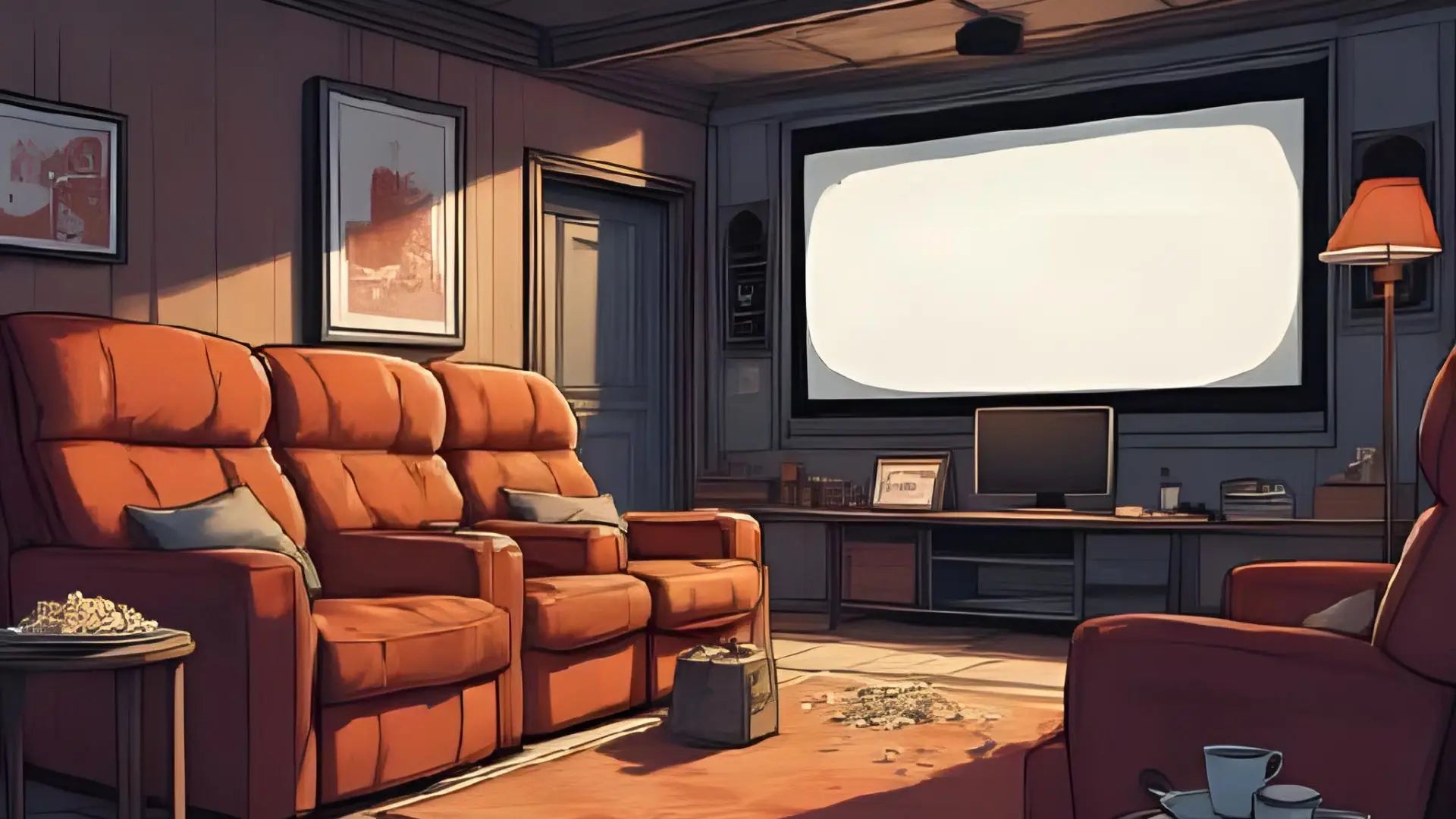
Essential Elements of Perfect Home Theatre Sound
Soundproofing Foundations
Acoustic Treatment
Furniture and Layout Choices
Balancing Technology and Design

DECIBEL’s Solutions for Home Theatres
MUTE SYSTEM 23 & C-MUTE SYSTEM 23
Acoustic Panels: TETRIS, WAVO & Textile Options
Case Example: From Living Room to True Home Theatre
Bringing Cinema Home the Right Way


Latest Articles

This guide explains how to soundproof hardwood floors safely, preserve the timber finish, and select noise reduction solutions around the actual transmission path.

Depending on the programme and model, modern domestic machines commonly reach 1,200 to 1,600 revolutions per minute.

Most parents worry about what happens inside the nursery: the right cot, the right temperature, the right amount of sleep. But they miss something crucial...

Phonophobia is an anxiety-based fear of loud, sudden or unpredictable sounds. It is a fear response, not a hearing defect, and it frequently begins before the sound does.